What can cause a delayed menstrual period?
Dec 04,2024 | ACCUFAST

Q: What can cause a delayed menstrual period?
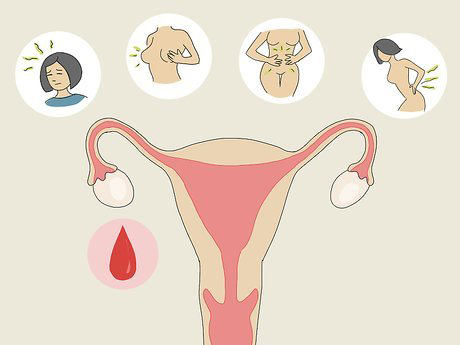
A: Menstrual delay can be a result of various physiological and lifestyle factors. Here are some possible reasons for a delayed menstrual period:
1. Pregnancy:
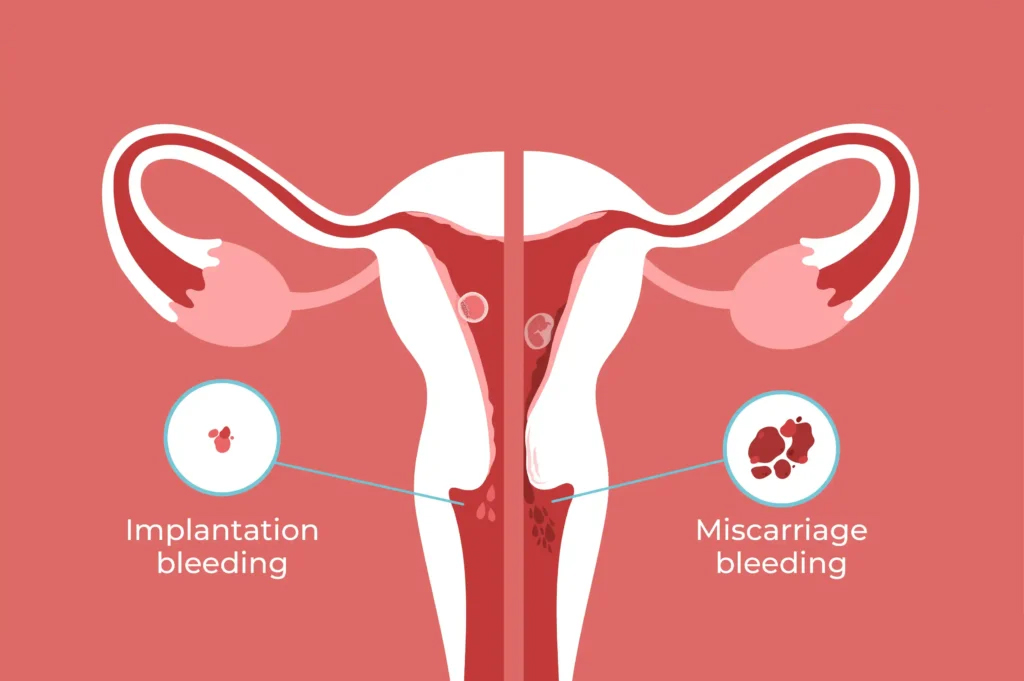
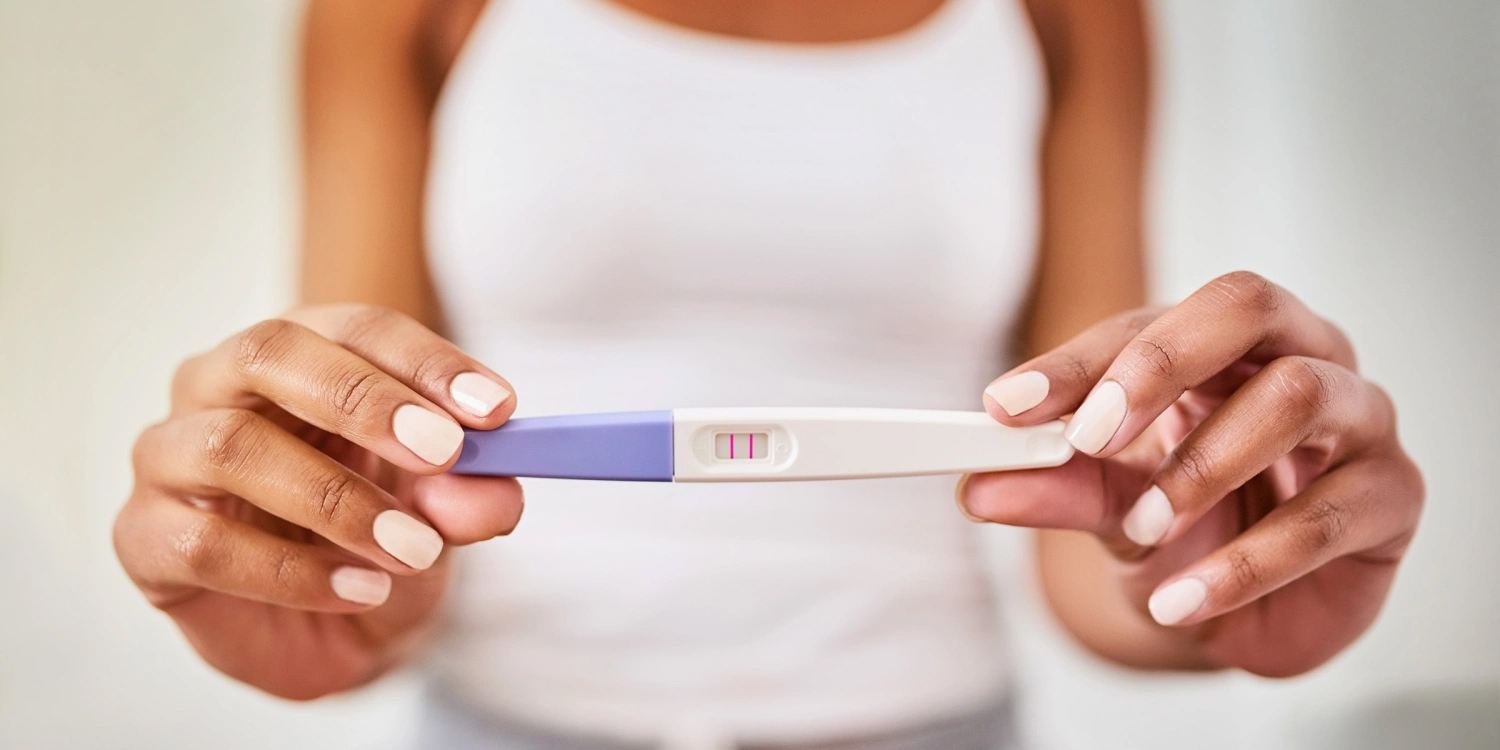
- Pregnancy is the most common cause of a delayed menstrual period. If there has been unprotected sexual intercourse, pregnancy could be the reason for the delay.
2. Stress and Emotions:
- Prolonged high stress levels and emotional fluctuations can disrupt normal hormonal balance, affecting ovarian function and leading to a delayed menstrual cycle.
3. Weight Changes:
- Rapid weight gain or loss, especially leading to being underweight or overweight, may impact ovarian function and result in irregular menstrual cycles.
4. Excessive Exercise:
- Overexertion and excessive physical activity can lead to weight loss and reduced body fat, disrupting hormone levels and causing a delay in the menstrual cycle.
5.Changes in Hygiene Habits:
- Sudden changes in hygiene habits, such as starting or stopping the use of oral contraceptives, may have an impact on the menstrual cycle.
6. Illness and Medical Conditions:
- Certain chronic illnesses, ovarian cysts, uterine fibroids, and hormonal imbalances can contribute to irregular menstrual cycles and delays.
7. Medications:
- Some medications, especially those affecting hormone levels, can influence the regularity of the menstrual cycle, leading to delays.
8. Age:
- Before and after the reproductive age, menstrual cycles may become more irregular, and delays may be more common.
It's important to note that a delayed menstrual period itself doesn't necessarily indicate a problem. However, if this condition persists for several cycles or is accompanied by other symptoms, it is advisable to consult with healthcare professionals for a more detailed assessment and guidance.
ความคิดเห็น